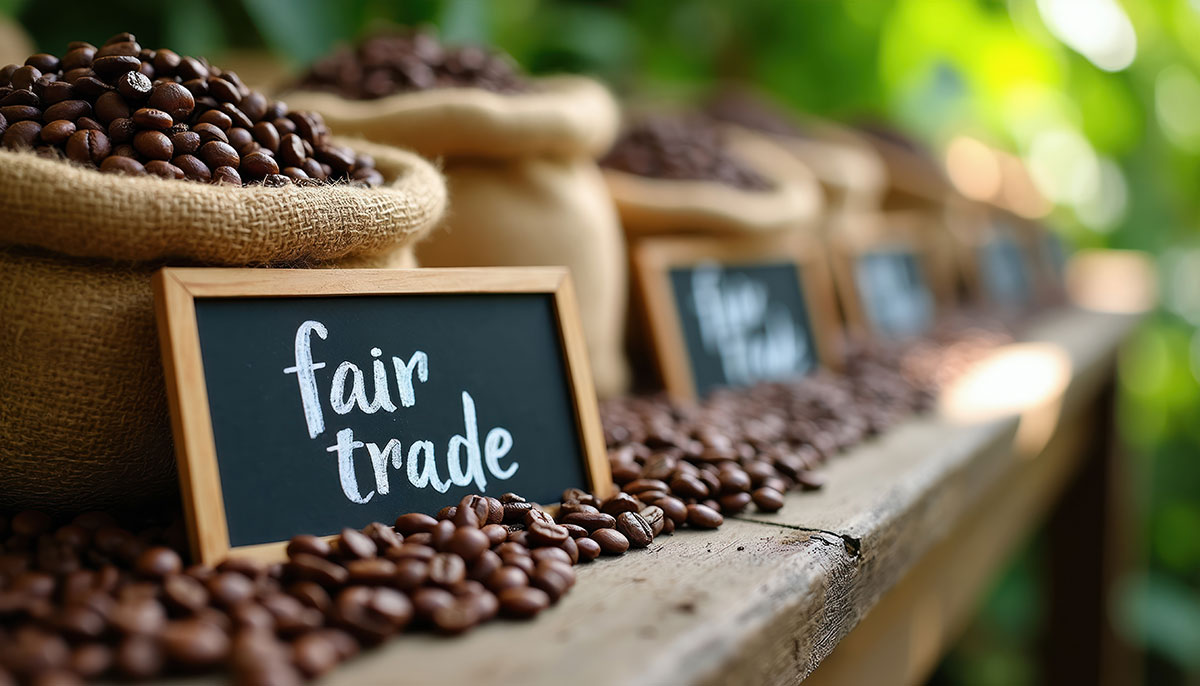
Global trade has changed a lot over the past decade. What used to be driven mainly by cost and speed is now being reshaped by something deeper. People want to know where products come from, how they are made, and whether the people behind them are treated fairly. This shift is not temporary. It is becoming the foundation of how global trade works.
As someone who works closely with producers across Europe, Africa, and South America, I see this change every day. Ethical sourcing is no longer a niche idea. It is becoming the standard that serious businesses are expected to follow.
What Ethical Sourcing Really Means
Ethical sourcing is often misunderstood as just paying fair wages. It is much broader than that. It includes how products are made, how workers are treated, how materials are harvested, and how communities are impacted.
It also includes long-term thinking. A fair price today is important, but so is whether the relationship supports stability for the future. Ethical sourcing asks businesses to think beyond the transaction and focus on the full picture.
“Ethical sourcing is about respect at every step,” I often say. “Respect for the people, the process, and the culture behind the product.”
When sourcing is done correctly, it protects traditions while still allowing producers to grow.
Why Consumers Are Driving the Change
Consumers are the main reason ethical sourcing is becoming so important. People are more informed than ever before. They are reading labels, asking questions, and paying attention to origin stories.
There is also a growing awareness of global inequality. Many consumers do not want to support systems where producers are underpaid or overlooked. Instead, they want to know their purchase has a positive impact.
This change in mindset is especially strong in food, wellness, and handcrafted goods. People are choosing products that feel authentic and transparent.
John Charrier has often observed that consumers are no longer satisfied with vague descriptions. They want clarity. They want honesty. And they want to feel connected to the origin of what they buy.
The Shift From Transactions to Relationships
Traditional global trade often focused on transactions. Buy low, sell high, and move on to the next supplier. Ethical sourcing changes that approach completely.
Now the focus is on relationships. Importers and producers work together over time. They communicate regularly, solve problems together, and build trust.
This shift leads to better outcomes for everyone involved. Producers gain stability. Importers gain consistent quality. Consumers receive products they can trust.
“Long-term relationships are what make ethical sourcing possible,” I often explain. “Without trust, there is no real sustainability in trade.”
Transparency as a Core Expectation
Transparency is no longer optional in global trade. Buyers want to know exactly how products are made and where they come from.
This includes information about farming methods, production techniques, labor conditions, and environmental impact.
Ethical sourcing requires openness at every stage. Producers who are transparent build stronger relationships with buyers. Importers who share this information build trust with consumers.
In many cases, transparency also increases value. When people understand the effort behind a product, they are more willing to support it.
Sustainability and Environmental Responsibility
Environmental concerns are now closely tied to sourcing decisions. Global trade has a footprint, and businesses are expected to reduce unnecessary impact wherever possible.
This includes using responsible farming methods, reducing waste, and improving shipping efficiency. Many producers are also returning to traditional methods that naturally support sustainability.
Small-scale production often has a lower environmental impact because it uses fewer industrial inputs. However, scaling responsibly is still a challenge that requires careful planning.
John Charrier has worked with many producers who already use sustainable methods without labeling them as such. The goal is often to support and preserve these practices rather than replace them.
The Role of Artisans in Global Trade
Small-scale artisans are at the center of ethical sourcing. They create products with skill, tradition, and cultural meaning. But they are often the most vulnerable in global trade systems.
Ethical sourcing gives these artisans access to wider markets while ensuring they are not exploited. It also helps preserve traditional crafts that might otherwise disappear.
From handwoven textiles in Peru to spice cooperatives in Morocco, artisans bring depth and identity to global supply chains.
“Every artisan I meet has a story worth sharing,” I often say. “Their work is not just production. It is culture in physical form.”
Challenges in Ethical Sourcing
Ethical sourcing is not simple. It comes with real challenges. Costs can be higher. Logistics can be more complex. And production can vary depending on natural conditions and small-scale methods.
There is also the challenge of education. Not every buyer understands why ethical products may cost more or why consistency can differ from mass-produced goods.
These challenges require patience and communication. They also require a willingness to prioritize long-term value over short-term convenience.
Why Ethical Sourcing Builds Stronger Businesses
Despite the challenges, ethical sourcing creates stronger and more stable businesses. Products are higher quality. Supplier relationships are more reliable. Customers are more loyal.
Businesses that invest in ethical sourcing often find that their reputation improves over time. They are trusted not just for what they sell, but for how they operate.
John Charrier has seen this firsthand in his work with Charrier Global Imports. Long-term partnerships with artisans have created a foundation of consistency and trust that supports sustainable growth.
The Future of Global Trade
The future of global trade is moving toward responsibility. Ethical sourcing is becoming the baseline expectation rather than an added feature.
This shift will continue as consumers demand more transparency and as producers seek fairer opportunities in global markets. Technology may improve logistics, but human relationships will remain at the center of trade.
Businesses that ignore ethical sourcing may find it harder to build trust. Those that embrace it will be better positioned for long-term success.
Conclusion
Ethical sourcing is not just a trend. It is a structural change in how global trade operates. It connects consumers more closely to producers and ensures that products are created with fairness and respect.
It also creates a system where culture, craftsmanship, and sustainability are valued as much as price and speed.
As I often reflect, ethical sourcing is about more than trade. It is about responsibility. It is about building a system where everyone involved in the journey of a product is respected and supported.
And that is why ethical sourcing is becoming the future of global trade.