Working in specialty imports, I get a front-row view of global trends in food and wellness products. At Charrier Global Imports, I spend my days sourcing artisanal goods from Europe, South America, and Africa. Over the years, I have seen consumer preferences shift. Today, people are looking for products that are authentic, carefully made, and tell a story. As we move into 2026, several key trends in artisanal wellness and specialty foods are emerging, and they are shaping the way producers and buyers connect.
Artisanal Foods Continue to Capture Attention
Artisanal foods are no longer a niche. Consumers increasingly want small-batch, high-quality products that reflect traditional methods. This includes items like hand-pressed olive oils from Provence, chocolate from small Peruvian cooperatives, and spices produced by women’s collectives in Morocco.
“What people respond to is authenticity,” I often say. “When they know how a product is made and who made it, it becomes more than just food. It is a connection to culture and tradition.” In 2026, I expect interest in artisanal foods to grow even more, especially those with transparent sourcing and compelling stories behind them.
Wellness Products with an Authentic Edge
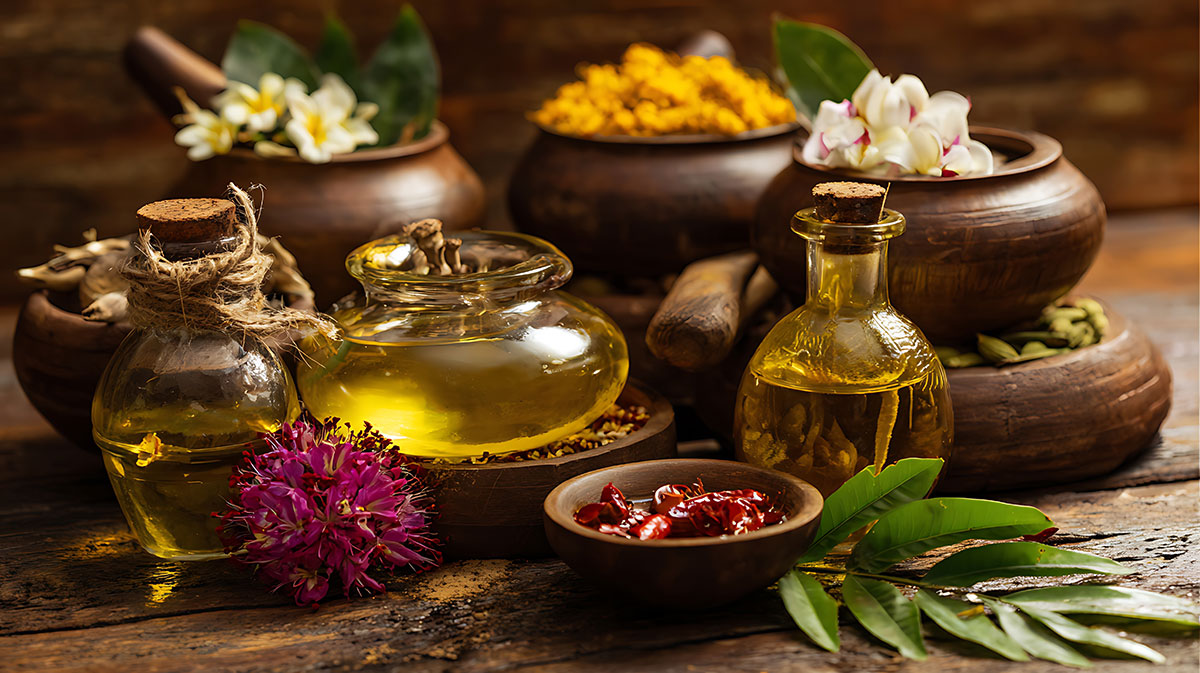
Wellness products are also evolving. Consumers want items that support health and well-being while staying rooted in tradition. This includes herbal teas, natural oils, salves, and supplements made with carefully selected ingredients and time-honored methods.
During my travels, I have sourced products like hand-blended herbal teas and artisanal skincare oils. These items are valued not just for their effectiveness but for the traditions they carry. In 2026, wellness products that combine efficacy with cultural authenticity will continue to gain popularity.
Sustainability as a Driving Factor
Sustainability is becoming a critical factor for both food and wellness products. Consumers increasingly want to know that what they buy is ethically produced, supports communities, and minimizes environmental impact. Artisans who use eco-conscious methods, renewable materials, or sustainable farming practices are standing out in the market.
“When I work with producers, we make sustainability a priority,” I explain. “This means fair pay, minimal environmental impact, and supporting local communities.” Products that adhere to these principles are more likely to succeed in global markets and resonate with consumers.
Experiential Products Engage Consumers
Products that offer an experience are becoming increasingly popular. Consumers want to engage with the origin of their food or wellness items. Cooking kits, tasting sets, and DIY herbal remedies give buyers an interactive way to connect with a product and its story.
“When someone can try a product and understand the culture behind it, it creates a meaningful experience,” I say. “This is one reason artisanal products stand out from mass-produced alternatives.” In 2026, experiential offerings will continue to attract buyers looking for connection and engagement with the products they use.
Transparency and Storytelling Matter More Than Ever
Storytelling is essential for artisanal products. Buyers want to know who made the product, how it was made, and the impact their purchase has on communities. Sharing these stories not only increases the perceived value of a product but also builds trust and loyalty.
For example, Moroccan spices produced by a women’s cooperative come with centuries of tradition. Explaining the cooperative’s work, the cultural significance of the product, and the impact of fair pay turns a simple purchase into a meaningful experience. In 2026, businesses that prioritize storytelling and transparency will stand out.
Emerging Markets and Global Connections
Globalization is making it easier for small-scale producers to reach new markets. Online marketplaces, trade shows, and import partnerships allow artisanal goods to connect with buyers worldwide. Artisanal wellness products and specialty foods now have opportunities to grow internationally while maintaining authenticity.
“Small-scale artisans have incredible potential when given access to global markets,” I often remind people. “Our role is to connect them with buyers who appreciate quality, culture, and ethical practices.” In 2026, businesses that combine ethical sourcing with international market access will lead the way.
Tips for Navigating the Trends
For anyone looking to succeed with artisanal wellness or specialty foods, there are several strategies to keep in mind:
- Prioritize Quality and Authenticity – Consumers respond to products that reflect traditional methods and careful craftsmanship.
- Highlight Sustainability – Show how your products are ethically made and environmentally conscious.
- Tell the Story – Share the artisan’s background, the production process, and cultural significance.
- Offer Experiential Products – Engage consumers by giving them a way to connect directly with the product.
- Build Strong Supplier Relationships – Ethical, long-term partnerships create consistency, trust, and quality.
These strategies help both producers and buyers succeed while ensuring that artisanal products continue to thrive.
Looking Ahead to 2026
The rise of artisanal wellness and specialty foods is just beginning. Consumers are looking for products that are authentic, sustainable, and culturally meaningful. Small-scale artisans who embrace these trends can thrive in global markets while preserving their craft.
“Artisanal products are more than goods. They are stories, culture, and skill,” I often say. “When we support them ethically and share their stories, everyone benefits—artisans, businesses, and consumers alike.”
In 2026, the companies and producers that focus on quality, transparency, and meaningful storytelling will lead the way. This is an exciting time for specialty imports, and I am looking forward to discovering and sharing the next generation of artisanal foods and wellness products.