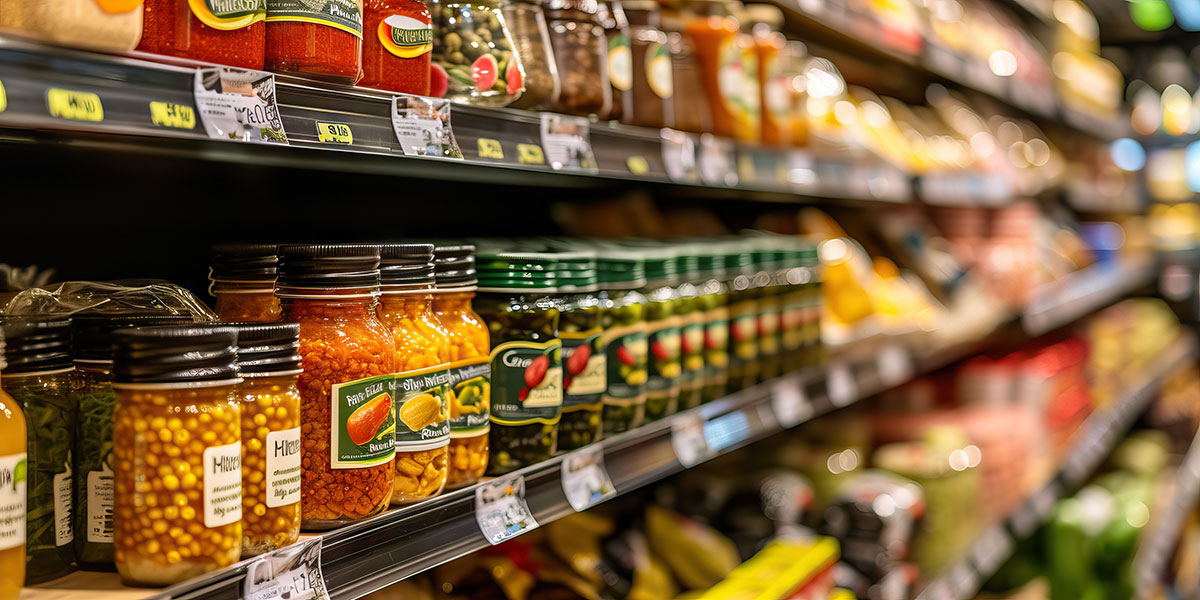
Food culture in North America has changed a lot in the last decade. People are no longer satisfied with the same standard products on grocery shelves. They want variety, authenticity, and stronger connections to where their food comes from. Specialty food imports are playing a major role in this shift.
Working in this space every day, I have seen how global flavors are reshaping what people eat and how they think about food. At Charrier Global Imports, I spend a lot of time sourcing small-batch products from Europe, South America, and Africa. These products are not just ingredients. They are stories, traditions, and cultural expressions.
“People are becoming more curious about what they eat,” I often say. “They want food that feels real, not just processed or standardized.” That curiosity is changing consumer tastes in a meaningful way.
The Shift Toward Authentic Flavors
One of the biggest changes I have seen is the demand for authentic flavors. Consumers are moving away from generic taste profiles and looking for something more specific and regional.
For example, olive oils from Provence are not all the same. Each producer has a slightly different process, climate, and harvest style. The same is true for cacao in Peru or spices in Morocco. These differences matter to consumers now more than ever.
People are starting to notice that food has identity. A product can reflect a region, a culture, and even a family tradition. This awareness is driving interest in imported specialty foods that carry those unique characteristics.
How Imports Introduce New Culinary Habits
Specialty imports do more than add new products to shelves. They introduce entirely new ways of cooking and eating.
In many cases, consumers are learning about ingredients they have never used before. Items like preserved lemons, regional spice blends, or single-origin chocolates are encouraging experimentation in home kitchens.
“I see customers becoming more confident in trying new things,” I often explain. “They are not just following recipes anymore. They are exploring flavors.”
This exploration is slowly changing everyday meals. People are blending culinary traditions, mixing ingredients from different regions, and building more diverse diets.
The Role of Story in Changing Taste
One of the most powerful forces behind changing consumer tastes is storytelling. When people understand where food comes from, they experience it differently.
A jar of honey is no longer just a sweetener. It becomes a product of a specific region, collected by a community that depends on traditional beekeeping. A block of chocolate becomes a reflection of cacao farmers who have cultivated their land for generations.
John Charrier has often pointed out that storytelling transforms how people perceive value. Once a consumer understands the journey behind a product, taste becomes more meaningful. It is no longer just about flavor. It is about connection.
Increased Awareness of Quality
Specialty food imports are also raising expectations around quality. Consumers are becoming more aware of ingredient lists, production methods, and sourcing practices.
Mass-produced food often prioritizes consistency over character. Specialty foods do the opposite. They prioritize depth, freshness, and authenticity.
This difference is noticeable to consumers, even if they cannot always explain it. Once someone experiences a high-quality artisanal product, their expectations change. They begin to look for that same level of quality in other foods.
Cultural Exchange Through Food
Food has always been a form of cultural exchange, but specialty imports are accelerating that process. People are experiencing global cultures through their kitchens.
A family in Toronto might cook with Moroccan spices one night and Peruvian cacao the next. A restaurant in New York might build its menu around ingredients sourced from small European producers.
This kind of exchange creates understanding. It introduces people to new traditions in a simple and accessible way.
“Food is one of the easiest ways to experience another culture,” I often say. “You do not need to travel far to taste something new.”
How Small Producers Influence Big Markets
Small-scale producers are having a large impact on North American food trends. Their products often lead the way in innovation because they are rooted in tradition but flexible in production.
These producers are not trying to compete with industrial food systems. Instead, they focus on quality and identity. This approach is resonating strongly with consumers.
John Charrier has worked closely with many of these producers and has seen how their influence grows once they enter international markets. Their products often inspire new categories in specialty food retail.
Health and Ingredient Awareness
Another factor driving change is health awareness. Consumers are more conscious of what they eat and how it affects their well-being.
Specialty foods often use fewer artificial additives and rely on natural ingredients. This aligns with what many consumers are looking for today.
However, the appeal is not just about health. It is also about trust. People feel more confident when they understand exactly what is in their food and where it comes from.
Challenges in the Specialty Food Market
Despite its growth, the specialty food sector still faces challenges. Pricing can be higher than mass-produced alternatives. Availability can be limited. And supply chains can be more complex due to small-scale production.
Education is also important. Not every consumer immediately understands the value of artisanal products. It takes time to build awareness and appreciation.
These challenges require consistent communication between importers, producers, and consumers. They also require patience as markets continue to evolve.
The Future of Food Preferences in North America
The future of consumer taste in North America is clearly moving toward diversity and authenticity. People want more than convenience. They want meaning, quality, and connection.
Specialty food imports are helping shape this future by introducing new flavors and preserving traditional methods. They are expanding what people consider normal in everyday eating.
John Charrier believes this shift is long-term. As consumers continue to explore global flavors, their expectations will keep evolving.
Conclusion
Specialty food imports are changing consumer tastes in North America in a deep and lasting way. They are introducing new flavors, raising quality expectations, and connecting people to cultures around the world.
This change is not just about food trends. It is about how people experience the world through what they eat.
As I often reflect, food is more than nourishment. It is connection. It is culture. And it is one of the most powerful ways to understand places and people beyond our own.
And that is why specialty food imports will continue to shape how North America eats for years to come.