The world of artisanal foods and wellness products is constantly evolving. As the founder of Charrier Global Imports, I spend a lot of time meeting producers and discovering new items that are authentic, high quality, and culturally meaningful. Each year brings fresh trends and innovative products that capture attention from consumers and retailers alike. In 2026, I see several categories of artisanal foods and wellness items that are gaining momentum and are worth watching.
Handcrafted Teas and Herbal Blends
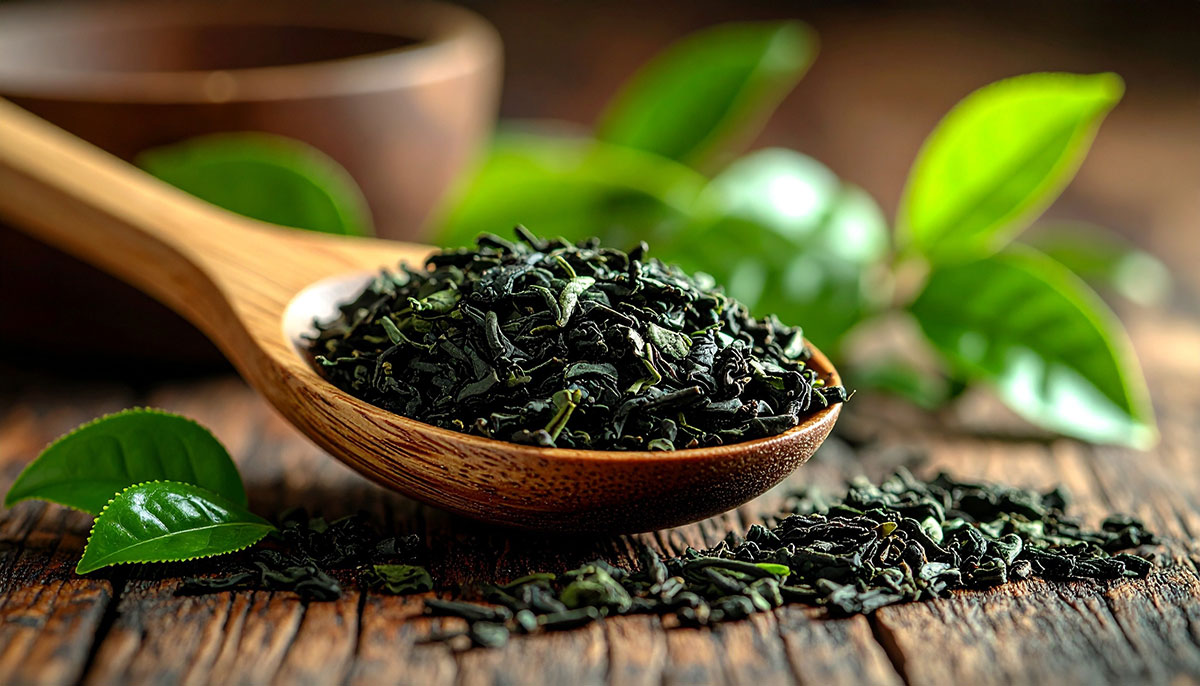
Teas and herbal blends have always been popular, but in 2026, handcrafted, small-batch teas are becoming a major focus. Consumers are seeking unique flavors and blends that reflect local traditions. For example, I sourced herbal teas from the Andes that combine native plants in ways that are both flavorful and beneficial for wellness.
“Teas tell a story of place and culture,” I often say. “When you taste a blend, you are connecting with a community and their traditions.” Single-origin teas and artisanal herbal blends are expected to continue growing as people look for authentic, high-quality options.
Specialty Chocolate and Cocoa Products
Artisanal chocolate is another category showing strong growth. Small producers in South America, Africa, and Europe are crafting chocolate using traditional methods. They focus on quality cacao, ethical sourcing, and unique flavor profiles.
In 2026, chocolate that highlights origin, process, and cultural context will attract consumers who want more than just sweetness. I have worked with cooperatives in Peru and Brazil that ferment and dry cacao beans using methods passed down through generations. These chocolates offer exceptional taste while supporting fair trade and small-scale producers.
Natural Skincare and Wellness Oils
Wellness products extend beyond food, and artisanal skincare is on the rise. Consumers are drawn to natural ingredients, handcrafted production methods, and eco-friendly packaging. Products like handmade soaps, face oils, and salves from regions like Morocco and South America are gaining popularity.
I remember sourcing olive oil-based soaps in Morocco. Each bar was made using traditional techniques and local ingredients. Consumers are increasingly looking for products like these that combine efficacy, craftsmanship, and sustainability.
Functional Foods and Adaptogens
Functional foods and adaptogens are set to grow even more in 2026. These products are designed to support wellness, energy, and mental clarity. Small-scale producers are creating items like herbal powders, infused beverages, and snack bars that use local, natural ingredients.
“Consumers want products that are good for their bodies and their minds,” I say. Adaptogens and functional foods are a way to combine tradition with modern wellness trends. Artisanal producers are experimenting with new combinations that provide both flavor and health benefits.
Sustainable and Ethical Snacks
Sustainability is not just a trend. Consumers increasingly want snacks that are ethically sourced, eco-friendly, and made from responsibly grown ingredients. Artisanal nuts, dried fruits, and granola blends that support local farmers or cooperatives are gaining traction.
For example, I work with small cooperatives in Brazil that produce organic nuts and fruit snacks. They use environmentally responsible cultivation and packaging methods. Highlighting sustainability, origin, and story makes these products attractive to buyers who care about ethical consumption.
Craft Beverages and Fermented Products
Fermented foods and craft beverages continue to rise in popularity. Kombucha, kefir, artisanal sodas, and small-batch fruit juices are appealing because they combine health benefits with flavor and culture. Producers are creating unique blends using local ingredients, traditional fermentation methods, and limited batches.
In 2026, beverages that tell a story and emphasize craftsmanship will stand out. People enjoy exploring new flavors while learning about the techniques and traditions behind them.
How to Spot Emerging Artisanal Trends
For businesses and consumers interested in artisanal foods and wellness products, spotting trends is about paying attention to a few key factors:
- Authenticity – Products with a clear origin story, traditional methods, and cultural significance resonate most.
- Quality – Small-batch, handcrafted items often have superior taste or efficacy.
- Ethics and Sustainability – Consumers value products that support fair trade and eco-friendly practices.
- Wellness Focus – Items that enhance health, energy, or mental clarity are increasingly in demand.
- Storytelling – Products that carry a compelling narrative about the producer, region, or process are more likely to stand out.
Why These Trends Matter
Artisanal foods and wellness products are more than a trend. They represent a shift in consumer values. People want to connect with the source of their food and wellness products. They value quality, authenticity, and ethical practices. By focusing on these products, businesses can meet consumer demand while supporting small-scale producers and traditional practices.
“Every product tells a story,” I often remind people. “The more you understand the story, the more you can appreciate its value.” These trends allow consumers to enjoy unique flavors, experiences, and benefits while supporting communities around the world.
Final Thoughts
2026 is shaping up to be an exciting year for artisanal foods and wellness products. Handcrafted teas, specialty chocolate, natural skincare, functional foods, sustainable snacks, and craft beverages are all gaining attention. Each product represents a connection to culture, tradition, and ethical practices.
For producers, this is a chance to share their craft with a broader audience. For consumers, it is an opportunity to enjoy products that are authentic, meaningful, and responsibly made. Artisanal foods and wellness items will continue to grow because they provide quality, connection, and purpose.
By staying curious, exploring small-scale producers, and prioritizing ethical and sustainable practices, businesses and consumers alike can enjoy and support the future of artisanal goods.